







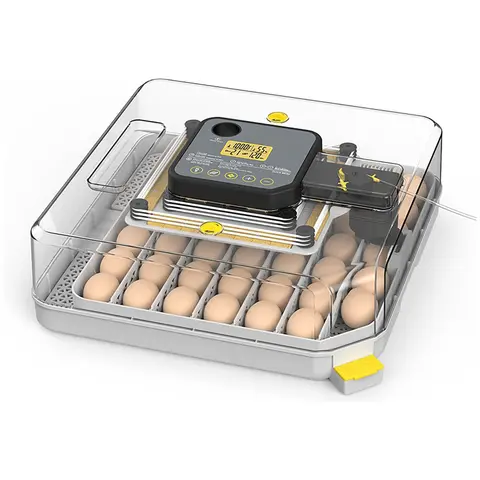





Results for hatchery machines
Hatchery machines are essential tools for modern poultry farming, enabling efficient and reliable hatching of eggs on both small-scale farms and large commercial operations. These machines provide controlled environments for optimal incubation, ensuring high hatch rates and healthy chicks. Whether you're a hobbyist breeder or managing a commercial hatchery, selecting the right hatchery machine depends on capacity, automation level, energy efficiency, and ease of maintenance.
The search intent behind hatchery machines typically reflects a buyer’s need for reliable, scalable, and easy-to-operate incubation equipment. Users are often looking for machines that offer precise temperature and humidity control, automatic egg turning, and durable construction. They may also prioritize models with energy-saving features, digital monitoring systems, and compatibility with different egg types (e.g., chicken, duck, quail).
When choosing a hatchery machine, consider the following key factors:
For best results, follow these steps during operation:
1. Preheat the machine to the recommended temperature (typically 99.5°F or 37.5°C) before placing eggs inside.
2. Set humidity levels between 40–50% during incubation and increase to 65–75% during the final 3 days (hatching phase).
3. Ensure automatic turning functions are active and set to turn eggs every 2–3 hours.
4. Monitor readings daily and avoid opening the machine unnecessarily to maintain stability.
5. After hatching, allow chicks to dry completely before transferring them to a brooder.
Investing in a well-reviewed hatchery machine from a reputable manufacturer ensures long-term reliability and higher hatch success. Always verify product specifications, including dimensions, power requirements, and warranty terms, before purchase.
The search intent behind hatchery machines typically reflects a buyer’s need for reliable, scalable, and easy-to-operate incubation equipment. Users are often looking for machines that offer precise temperature and humidity control, automatic egg turning, and durable construction. They may also prioritize models with energy-saving features, digital monitoring systems, and compatibility with different egg types (e.g., chicken, duck, quail).
- Incubation
- The process of hatching eggs under controlled environmental conditions, typically involving regulated temperature, humidity, and ventilation.
- Automatic Egg Turning
- A feature in advanced hatchery machines that rotates eggs at regular intervals to prevent embryo adhesion to the shell and promote even development.
- Hatch Rate
- The percentage of eggs that successfully hatch, which is directly influenced by the consistency of temperature, humidity, and air circulation in the machine.
When choosing a hatchery machine, consider the following key factors:
- Capacity: Determine how many eggs you plan to hatch at once. Machines range from small units holding 10–50 eggs to large commercial models supporting 1,000+ eggs.
- Control System: Opt for models with digital thermostats and humidity sensors. These ensure consistent conditions, reducing the risk of failed hatchings.
- Power Source: Choose between electric (ideal for stable power environments) or dual-fuel (electric/gas) models for backup in rural or off-grid settings.
- Maintenance & Durability: Look for stainless steel or high-grade plastic interiors that resist corrosion and are easy to clean. Regular cleaning prevents bacterial contamination.
- Energy Efficiency: High-efficiency models reduce operating costs over time. Check for energy ratings and insulation quality.
For best results, follow these steps during operation:
1. Preheat the machine to the recommended temperature (typically 99.5°F or 37.5°C) before placing eggs inside.
2. Set humidity levels between 40–50% during incubation and increase to 65–75% during the final 3 days (hatching phase).
3. Ensure automatic turning functions are active and set to turn eggs every 2–3 hours.
4. Monitor readings daily and avoid opening the machine unnecessarily to maintain stability.
5. After hatching, allow chicks to dry completely before transferring them to a brooder.
Investing in a well-reviewed hatchery machine from a reputable manufacturer ensures long-term reliability and higher hatch success. Always verify product specifications, including dimensions, power requirements, and warranty terms, before purchase.